Hangovers occur after consuming alcohol and are characterized by symptoms such as fatigue, dehydration, headache, nausea, and brain fog. These symptoms are largely the result of dehydration, electrolyte imbalances, and the toxic effects of alcohol on the body. When alcohol is consumed, it acts as a diuretic, causing increased urine production, which leads to fluid loss and mineral depletion. Additionally, the metabolism of alcohol produces acetaldehyde, a compound that contributes to nausea, sweating, and general malaise. Residents of Midland, Texas, and Odessa, Texas, benefit from understanding the underlying causes of hangovers to better address recovery methods.
The severity of a hangover can vary depending on multiple factors, including the amount of alcohol consumed, hydration status, age, and individual metabolism. Nutrient depletion also plays a role, as vitamins like B-complex and vitamin C are utilized more rapidly during alcohol metabolism. This depletion can exacerbate feelings of fatigue, weakness, and decreased cognitive performance. By understanding these mechanisms, it becomes clearer why restorative therapies focused on hydration and nutrient replenishment can provide effective relief.
How IV Therapy Addresses Hangover Symptoms
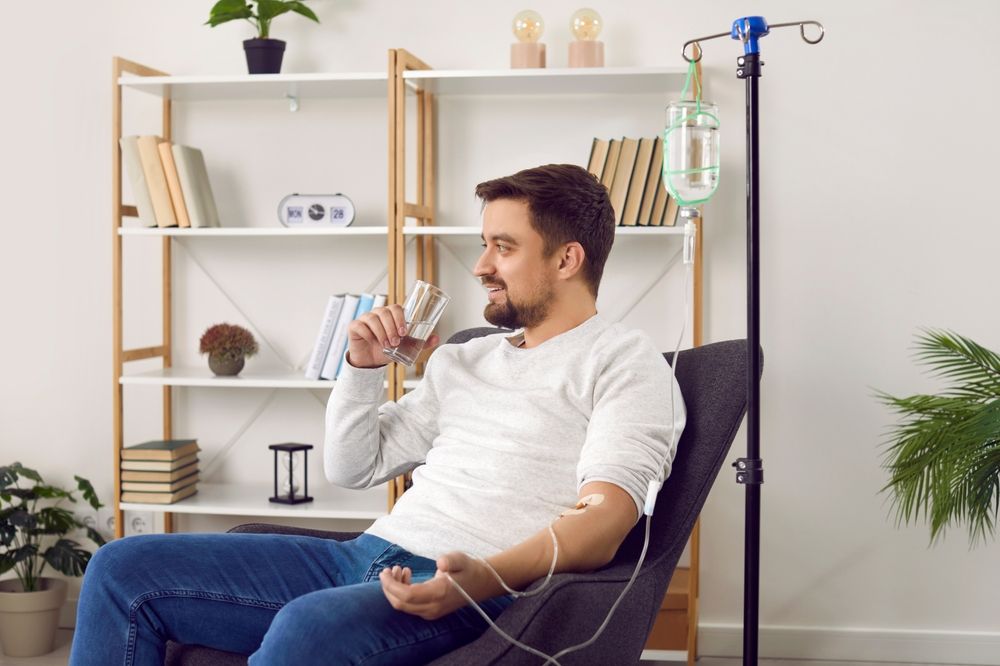
IV therapy for hangover relief involves delivering fluids, electrolytes, and vitamins directly into the bloodstream. Unlike oral rehydration, which relies on the digestive system to absorb fluids and nutrients, IV therapy bypasses this step, allowing for rapid restoration of hydration and essential compounds. This process can quickly alleviate common hangover symptoms such as dizziness, headaches, and muscle cramps, providing relief much faster than drinking water or consuming electrolyte drinks alone.
Electrolytes such as sodium, potassium, and magnesium are key components of IV therapy that help restore the balance disrupted by alcohol consumption. These minerals regulate nerve and muscle function, fluid balance, and overall energy production. In addition, vitamins like B-complex and vitamin C support the liver’s detoxification processes and replenish nutrient stores depleted by alcohol metabolism. Amino acids or other antioxidants are sometimes included to reduce oxidative stress and support recovery at the cellular level. Together, these components work synergistically to accelerate the body’s natural healing process.
Benefits and Considerations
The primary benefit of IV therapy for hangover relief is its speed and efficiency. Many individuals experience noticeable improvements within an hour or less, including reduced headache intensity, increased energy, and improved mental clarity. By addressing the root causes of hangover symptoms—dehydration, electrolyte imbalance, and nutrient depletion—IV therapy provides targeted support that promotes a quicker return to normal functioning.
It is important to recognize that IV therapy is a supportive treatment and not a cure for alcohol overconsumption. Moderation, hydration, and proper nutrition remain critical for overall health. Additionally, individuals should be aware of potential contraindications, such as certain medical conditions or allergies, that could affect their response to IV therapy. Consulting reliable medical information and understanding the purpose and limits of IV therapy ensures that individuals make informed decisions about their recovery strategies.
Tips for Maximizing Hangover Recovery
- Drink water before, during, and after alcohol consumption to reduce dehydration
- Eat nutrient-dense meals that provide protein, healthy fats, and complex carbohydrates
- Get adequate rest to allow the body to recover naturally
- Consider electrolyte replacement if experiencing prolonged fatigue or dizziness
In conclusion, IV therapy offers a rapid and efficient method for addressing the discomfort of hangovers by replenishing fluids, electrolytes, and essential nutrients. Individuals in Midland, Texas, and Odessa, Texas, can benefit from understanding the science behind this approach and how it supports the body’s recovery processes. Vyvo Therapeutics encourages education on safe and informed strategies for managing hangovers and promoting overall wellness.
Resources:
- Lieber, C. S. (2000). Medical Disorders of Alcoholism. New England Journal of Medicine.
- Wiese, J. G., Shlipak, M. G., & Browner, W. S. (2000). The Alcohol Hangover. Annals of Internal Medicine.
- Swift, R., & Davidson, D. (1998). Alcohol Hangover: Mechanisms and Medications. Alcohol Health & Research World.